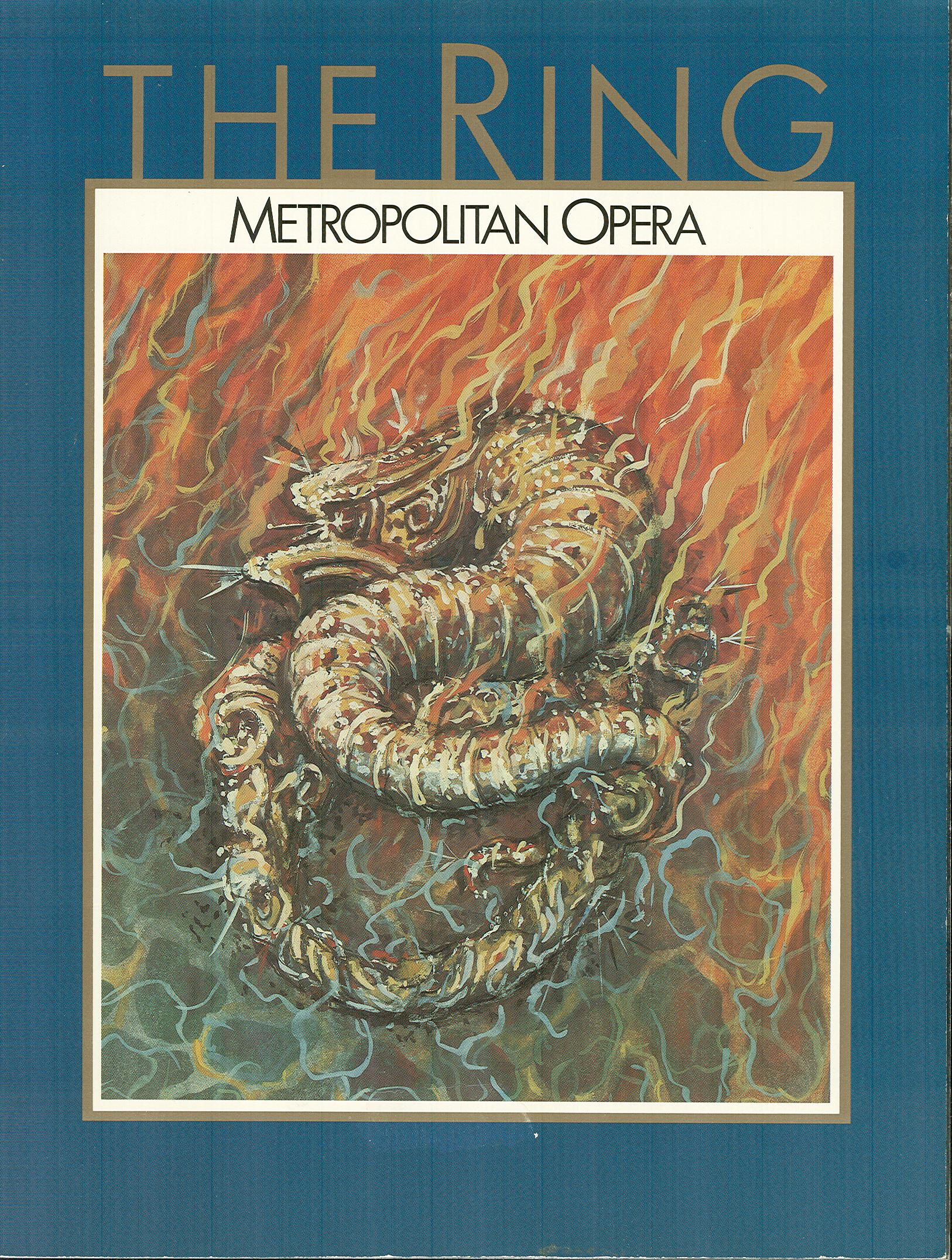
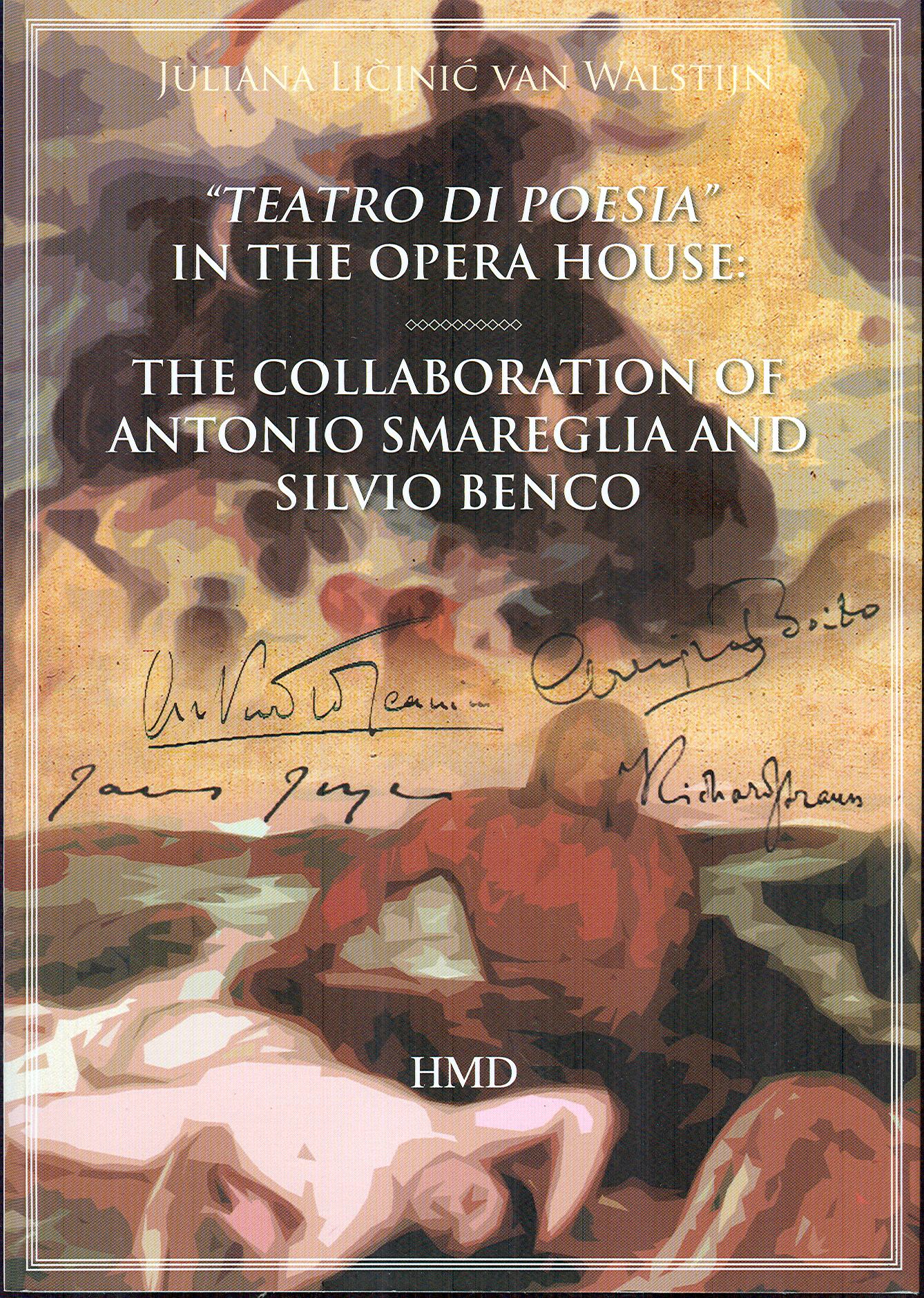
Often souvenir books are considered ephemera: Most libraries do not purchase them. Sometimes, however, they take the form of a book of articles by notable authors; these are treated as essay collections by libraries and by RILM. For example, the souvenir book published by New York’s Metropolitan Opera for their 1988 production of Wagner’s Der Ring des Nibelungen includes contributions by the musicologists Carolyn Abbate and Barry Millington and the poet and literary critic Richard Howard.
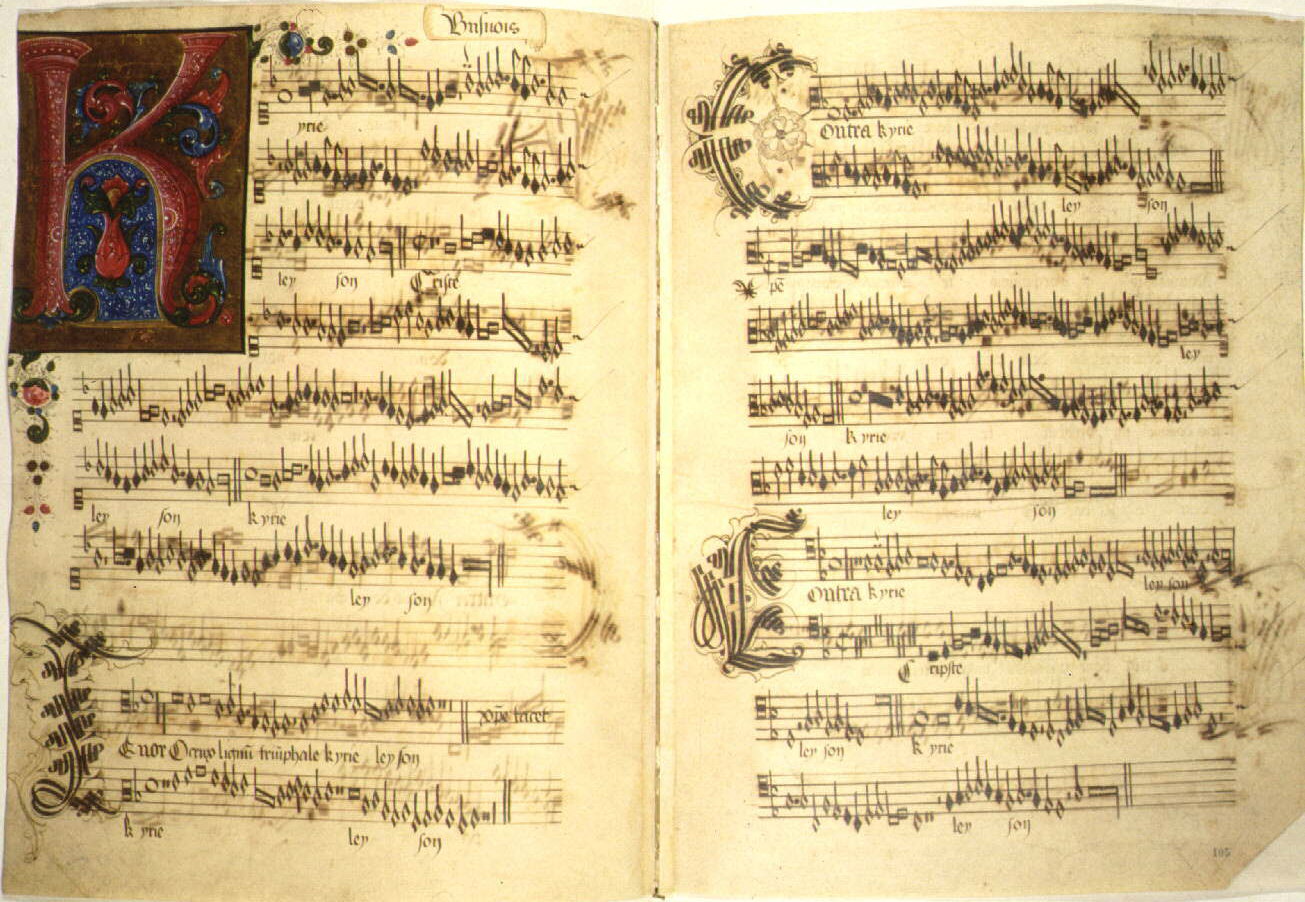
In rare cases facsimile editions provide evidence of collaborative processes; an example is the recent edition by Leo S. Olschki Editore of the working copy of the libretto for Puccini’s Tosca, part of which is pictured above.
With notes in the hands of Puccini, the publisher Giulio Ricordi, and the librettists Luigi Illica and Giuseppe Giacosa—and the inclusion of pasted-in pages fathfully reproduced as separate, attatched sheets—the edition documents the collaborative process that resulted in one of the landmarks of verismoopera.
Sruti: India’s premier magazine for the performing arts (ISSN 0970-7816) is a Chennai-based magazine. While its primary focus is the South Indian Karnatak music world and its related dance traditions, most issues include at least one article devoted to the North Indian Hindustani tradition; it also carries occasional features on Indian folk traditions. Sruti tends to concentrate on events in recent musical life and profiles of current—and occasionally past—performers. RILM focuses on covering the latter, including the former only when sufficient historical interest is indicated.
Research-based contributions from the independent scholar Sriram Venkatakrishnan (writing under the name Sriram V) are often included, providing notes on important persons or places in the history of the Karnatak tradition. Another regular contributor, S. Sankaranarayanan, writes philatelic reports on Indian stamps depicting musical subjects—a type of music iconography.
The Indian singer Jayashri Ramnath (better known as Bombay Jayashri) was introduced to Karnatak music in her early childhood, influenced by her parents’ roles as music teachers. Jayashri began her performing career at the age of 28, and having grown … Continue reading →
The country singer, songwriter, actor, and businesswoman Dolly Parton was the fourth of twelve children in a family of sharecroppers in Sevierville, Tennessee, located in the Appalachian Mountains. Commenting on her childhood, Parton once said, “Everybody where we grew up … Continue reading →
Women have been part of hip hop expression from its early days, primarily as part of MC crews such as the Funky Four Plus One and Sugar Hill’s female group, Sequence. For most of hip hop’s recorded history, however, women … Continue reading →
The music of Central America tends to borrow heavily from the music of Mexico to the north, Colombia to the south, and the Caribbean Islands to the east, and, in the case of Nicaragua, from the politically motivated nueva canción … Continue reading →